Published May 20, 2019 05:55PM
A Mind-Body Connection Can Improve Your Form
Instead of just going through the motions at the gym, focus on the cues your brain and body are giving one another.
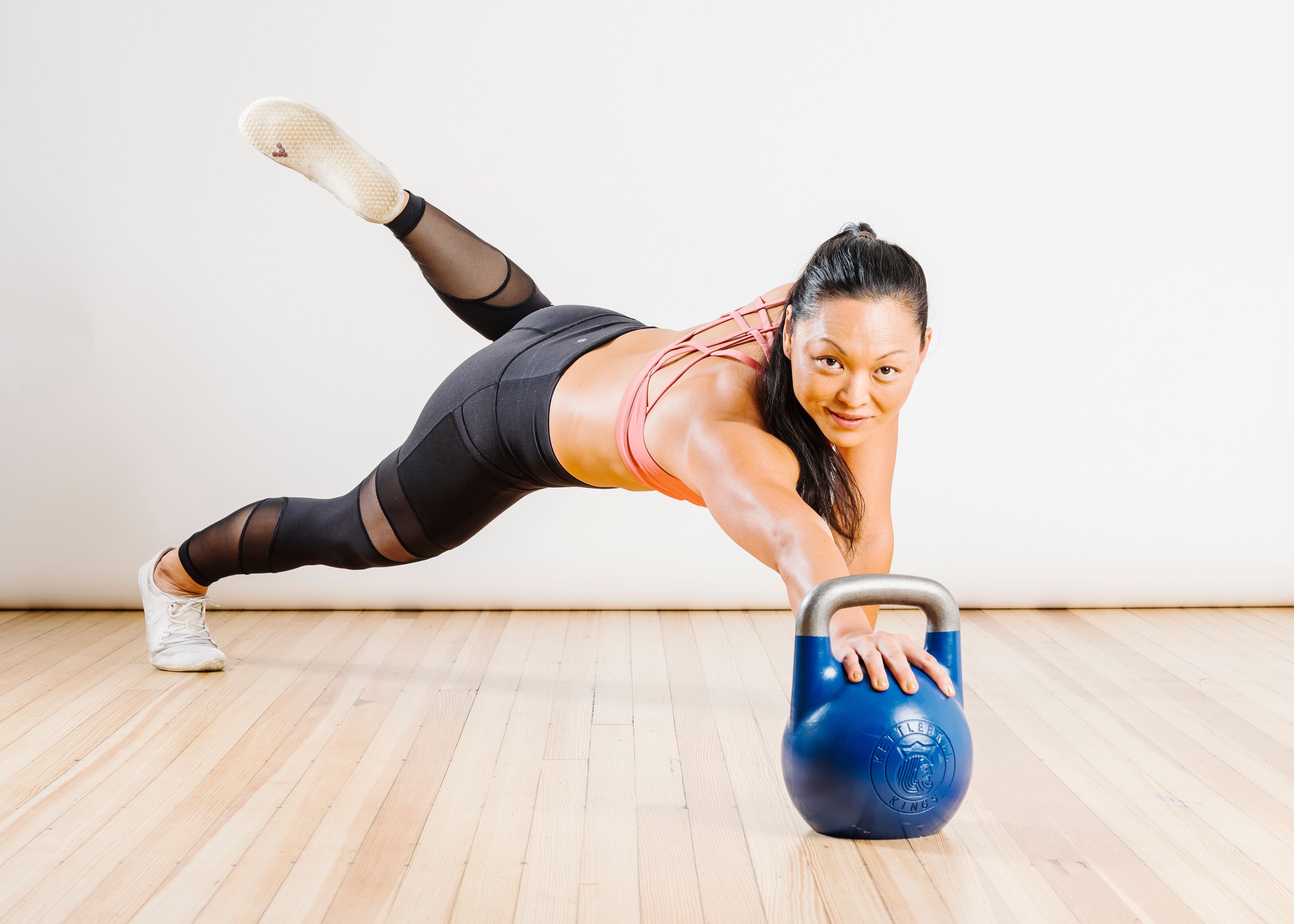
Have you ever driven home from work only to realize that you don’t remember anything about the drive? That’s because you were operating on autopilot, doing a task that you do all the time. Well, the same thing can easily happen when you’re on a cardio machine or doing a seated shoulder press — one minute you’re focused on form and the next you’re watching the TV, daydreaming about what you’re going to eat after your workout or distracted by a text notification. Sure, you get through your intended number of sets, but you were on autopilot. Not only can this increase your risk of injury because form goes out the window, but you also haven’t connected your mind and body within the movements.

What Is a Mind-Body Connection?
A mind-body connection boils down to how the brain and thoughts influence the body. Whether you’re conscious of it or not, your body and mind are interconnected — but many people can only recognize this connection while sitting in stillness during meditation. In truth, things like salivating over a piece of pie or stress that gives you a stomach ache or headache are all proof of your mind-body connection. But when you operate in autopilot mode, and especially when you’re multitasking, you lose the ability to notice and capitalize on that crucial connection.
For instance, a mind-body connection is what creates beauty in movement. When you see a dancer walking gracefully, it’s because her mind and body are connected. Conversely, if you see someone moving like a robot, it doesn’t look as beautiful because that person lacks that connection and body awareness.
ADVERTISEMENT
How Bodyweight Flow Creates a Mind-Body Connection
Most people at the gym train with a mirror in front of them, which is helpful for watching form, but it’s also limiting in terms of what they can see. But with bodyweight flow, you’re moving in directions and positions that you’ve never tried before — so you have to really be focused on things internally, such as how that joint structure is handling a particular rotation while you’re in a certain position. When it comes to flow, yes there are physical cues that you learn, but because it’s flow and it’s constant movement, your brain is fully engaged.
And with kettlebells, as you’re flowing the kettlebell from one side to the other, there’s so much more firing mentally and it’s happening the entire time you continue through the movements. With enough practice, these moves take on a meditative quality. Over time, you’ll become so internally focused and so hypersensitive to the pathways different movements can take you, that your mind and body can’t help but stay connected the entire time.
How that Connection Improves Form
Your form takes center stage when you’re doing bodyweight flow — especially when you have a kettlebell in your hand — because you’re literally being forced into the right position in order to feel balanced. You simply can’t feel stable or strong in these movements if your mind is wandering. As you’re moving the kettlebell around your body or even in flow as you’re rotating from one side kick into another move, your form has to be strong or you’ll fall over. When you’re firing so many muscles at the same time, your form naturally corrects itself because you are focused on how things feel versus how they look.
ADVERTISEMENT
4 Ways to Find Your Mind-Body Connection
If you struggle with getting out of your head (so you can get in it, ironically), then try these tips:
- Follow the breath. The most common thing we tell people is allow your breath to guide you. If you want your movement to be smoother, smooth out your breath. If you want your movement to be more powerful, create powerful quick breaths.
- Feel the floor. With bodyweight flow, always be thinking about what’s connecting you to the floor. So if you’re standing, it’s your feet — and you want to find a nice equal footprint in your feet. If it’s your hands, you want a nice equal handprint on the floor. It’s about connecting to the floor and thinking about movement in a mind-body way. Focus on the visceral connection, the sensory and feedback you’re getting versus how it looks in the mirror.
- Slow down. When you slow down the movements, specifically with the bodyweight flow and the controlled flow with the kettlebell, it allows you to create more tension. Breathing through that tension allows you to move more fluidly and iron out those hitches, which allows you to flow seamlessly and quickly.
- Focus on the details. Try taking 30 to 60 seconds per move as a warm-up and own every millimeter of that movement. The devil is in the details, so be intentional.
At the end of the day, your goal is to become a better mover, build resilience, build strength and build an awareness that will carry over into everything else you do.
ADVERTISEMENT
Looking to challenge your body from multiple angles, including strength, athleticism, balance, mobility, coordination and power? This summer, we are pairing movement specialist and certified trainer Venus Lau with master kettlebell trainer Marcus Martinez for a series of 30-minute Kettlebell & Flow workouts that will train both your mind and body.
So what are you waiting for? This high-octane program designed exclusively for Oxygen is guaranteed to build incredible resilience, strength and body awareness — so switch things up by choosing kettlebells over dumbbells this summer! Join Kettlebell & Flow today.